BAS 121700
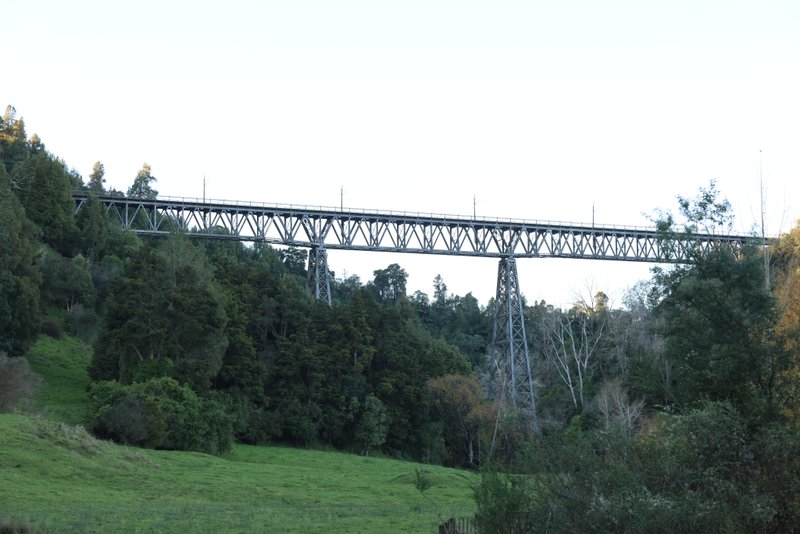
Makohine Viaduct
11.05.2026
© brueckenweb.de / Frank Sellke
 Use in accordance with the terms and conditions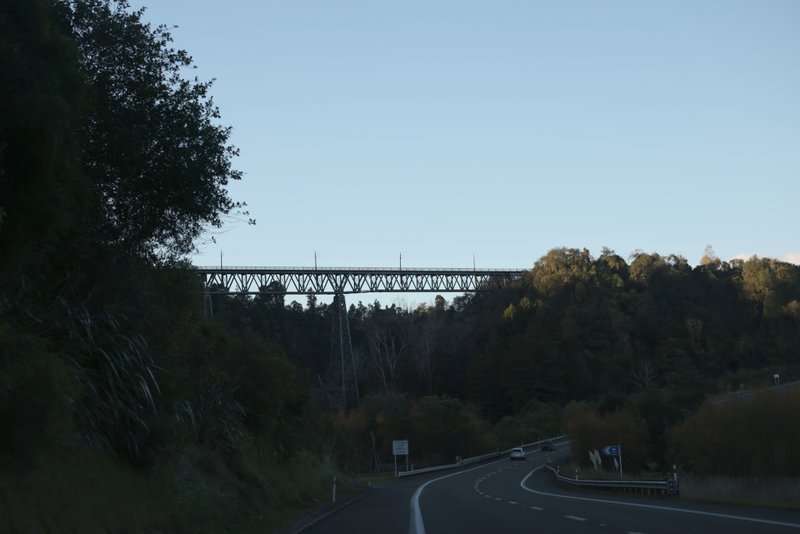
11.05.2026
© brueckenweb.de / Frank Sellke
Use in accordance with the terms and conditions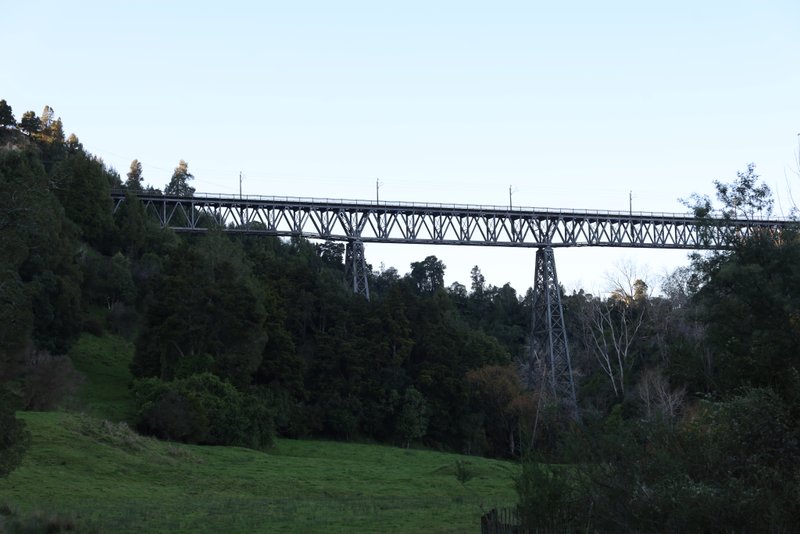
11.05.2026
© brueckenweb.de / Frank Sellke
Use in accordance with the terms and conditionsNew Zealand
Manawatū-Whanganui
Rangitīkei District
Mahokine Stream
railroad
Truss bridge
Steel
1902
0.00 m
0.00 m
0.00 m
0.00 m
0.00 m
0.00 m2
in operation
The Makohine Railway Viaduct, completed in 1902, represented an impressive milestone in the engineering of the North Island Main Trunk railway. The construction of a railway link between Wellington and Auckland had first been proposed by the Vogel government in 1870; however, it took another decade for relations between the Crown and the Waikato Māori to improve sufficiently for planning to proceed. In 1884, the House of Representatives approved the route, and on April 15, 1885, the first sod was turned. Construction began at both ends of the island, with the aim of meeting in the middle. Progress was slow, due to the difficult terrain and the uncertainties of changing governments. By 1887, the line had reached Te Kuiti in the south and Marton in the north. The remaining section to be completed traversed difficult terrain, necessitating the construction of numerous tunnels and viaducts. The plans for the Makohine Viaduct, begun in 1893, were drawn up by Peter Seton Hay (1852/53–1907), the responsible engineer at the Ministry of Public Works. Hay also designed the Mangaweka, Hapuawhenua, Taonui, Manganui-a-te-ao, and Makatote viaducts. As no satisfactorily low bid was received for the project, it was decided that the Ministry of Public Works would construct the viaduct largely on its own. By 1897, work was well advanced, but weather conditions and delays in the delivery of prefabricated steel components from England hampered progress. The viaduct was completed in June 1902 and officially opened that same month by William Hall-Jones, the Minister of Public Works. The last spike of the Main Trunk line was driven into the ground at Manganui-a-te-ao on November 6, 1908. The Makohine Railway Viaduct is an extremely important example of New Zealand's engineering heritage. At the time of its construction, it was the second highest viaduct in New Zealand; even today, it is among the highest (ranked 7th) and longest (ranked 4th) viaducts on the North Island Main Trunk line. Its completion overcame one of the greatest natural obstacles to what is now New Zealand's busiest and most important railway line. The structure was designed by one of the most distinguished engineers in the history of the Public Works Department. The viaduct is one of the most famous railway structures along State Highway 1 on the North Island.
A map is loading