brueckenweb-logo
discover
Icon
bridges
Icon
bridge search
Icon
nearby
Icon
most bridges records
Icon
disasters
Icon
country overview
Icon
collections
Icon
articles
Icon
bridge news
Icon
literature
Icon
store
Icon
Icon
pinboard
Icon
Icon
clubinfo
join in
only for registered club members
administrate
only for registered club members

    1999 - 2026 © Frank Sellke / brueckenweb.de

    Icons by Icons8.com

    Version 5.1.16

    Legal Notice | Privacy Policy | ⚠️ Vertrag widerrufen

    BAS 44050
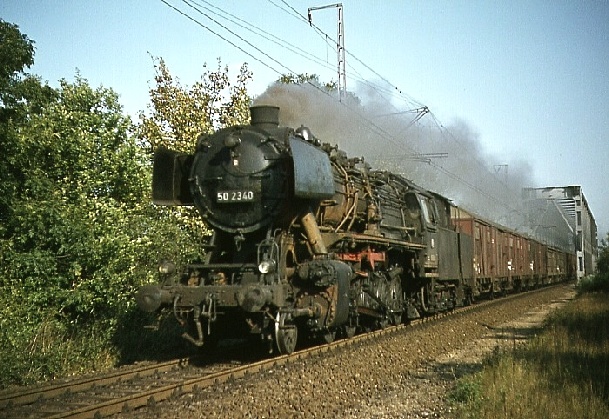
    Rurbrücke Lindern-Baal
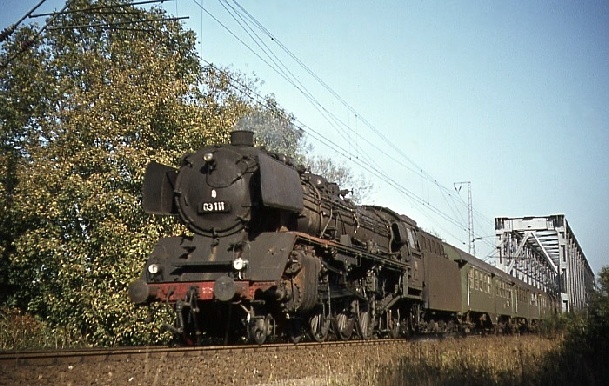
    Brückenbild

    21.10.1967

    © Helmut Dahlhaus

    verboten / prohibitedNo other use permitted
    Bild 1

    21.10.1967

    © Helmut Dahlhaus

    verboten / prohibitedNo other use permitted
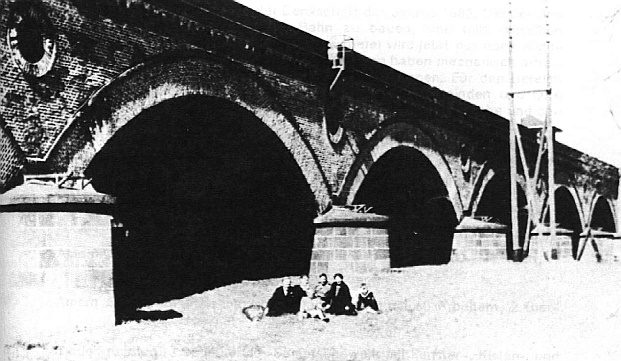
    Die alte Brücke vor dem 2.Weltkrieg um 1920

    Die alte Brücke vor dem 2.Weltkrieg um 1920

    1920

    © zur Verfügung gestellt von Willi Tetz

    verboten / prohibitedNo other use permitted
    To Bridge Images
    Germany
    North Rhine-Westphalia
    Lindern, Baal
    RUR
    Railway
    Girder bridge
    Prestressed concrete
    1948, abgerissen 1976
    102.00 m
    102.00 m
    0.00 m

    A map is loading

    Timeline

    Loading timeline...

    Tags

    Loading tags ...

    Editing is available for members (midgr >= 6).

    News

    Lade Nachrichten ... loading news ...

    Links

    Loading links ...

    Literature

    Loading literature ...

    Collectibles

    Loading collectibles ...

    Videos

    Loading videos ...

    Documents

    Loading documents ...

    0.00 m
    0.00 m
    0.00 m2
    destroyed
    First, there was a wooden footbridge here, which was replaced by the first railway bridge, an arched bridge. After its destruction in World War II, a truss bridge (K-truss) was built in 1948. The current prestressed concrete bridge was erected in 1976/77. Until the construction of the railway line, a wooden footbridge spanned the Rur River at this location. This private path, belonging to the owner of the Wedau estate, Baron von Cotzhausen, could be used by through traffic upon payment of a toll. When the Rur had to be regulated for the railway construction, part of the riverbed over which the footbridge ran was removed and drained. No bridge was built over this new section of the river. Therefore, there was no connection until 1857, when pedestrians were permitted to use the single-track railway bridge; the bridge had been built from the outset to accommodate two tracks. In 1870, the railway put the second track into operation, and with that, pedestrian use of the bridge came to an end. The reconstruction of the railway bridge over the Rur River near Gut Wedau, which had been destroyed in World War II and initially rebuilt as a single-track bridge, began in 1948. This new bridge, a box girder design developed by Krupp during the war, spanned the Rur River without piers over a distance of 102 meters. Due to a shortage of materials, only a single-track design was possible. Thus, the bridge remained a traffic bottleneck until it was replaced by a new structure in 1976. On the night of August 7-8, 1976, the old bridge was moved out of its tracks, and the new prestressed concrete bridge was simultaneously put into place. The section of the bridge for the second track was completed in November, and the old bridge was dismantled and scrapped in January 1977. (Source: Lindern and the Railway)