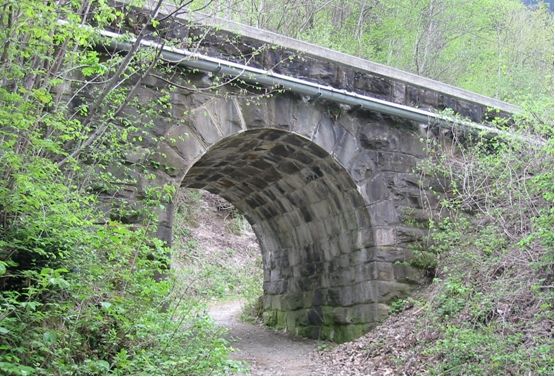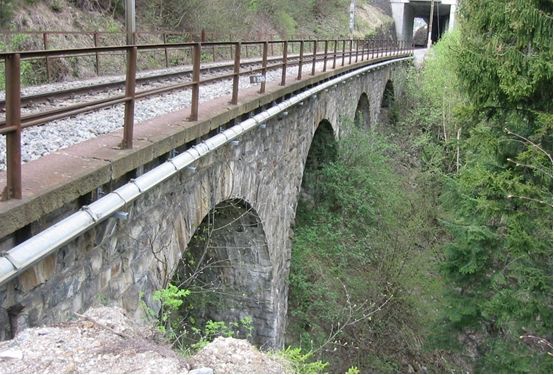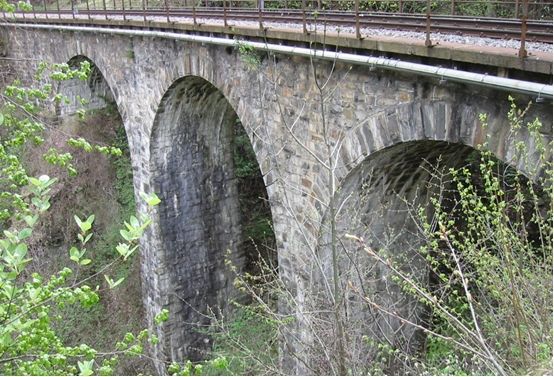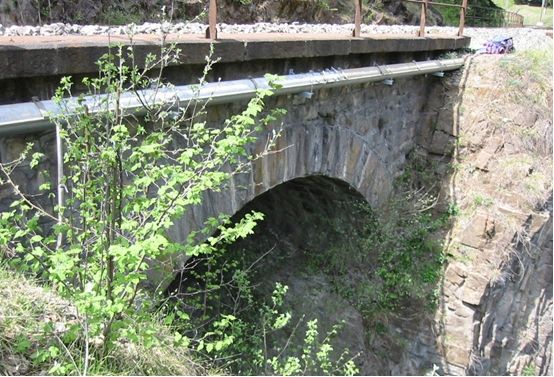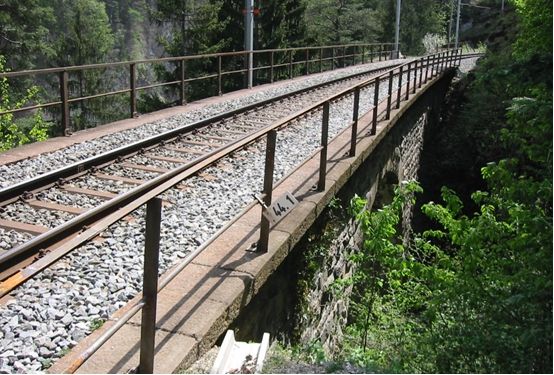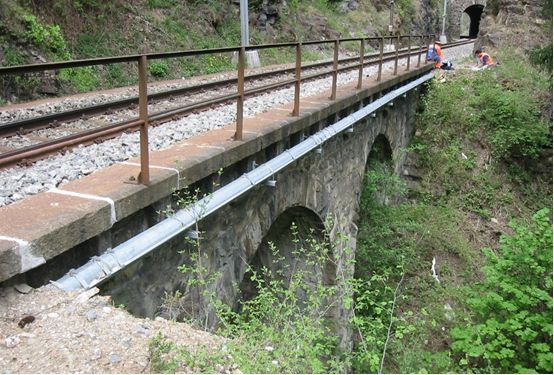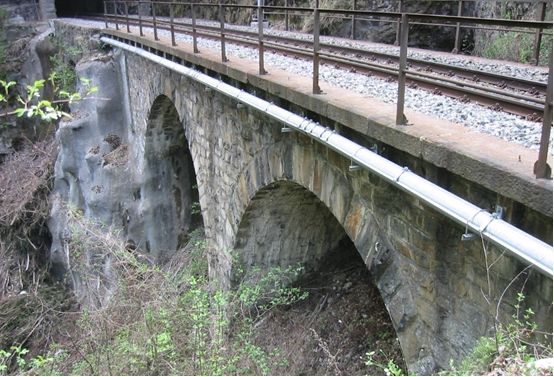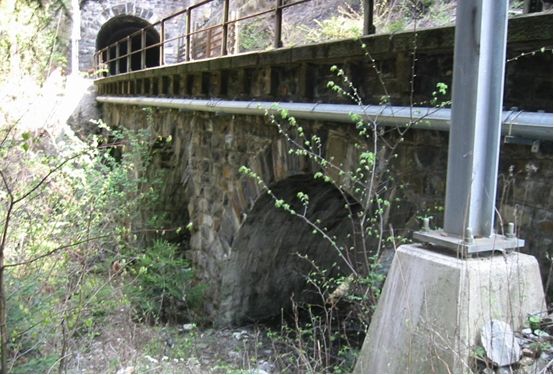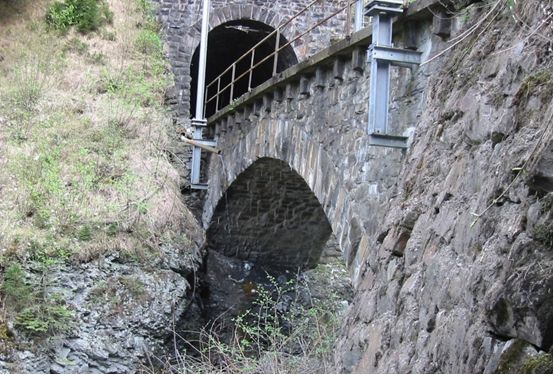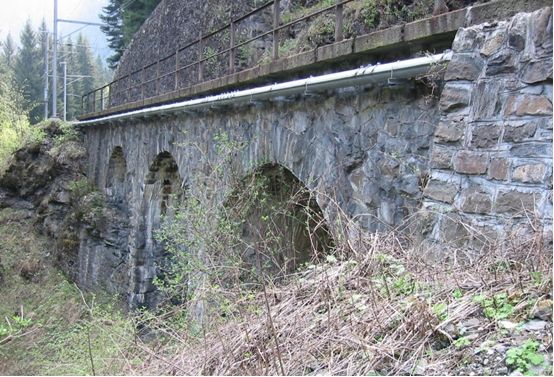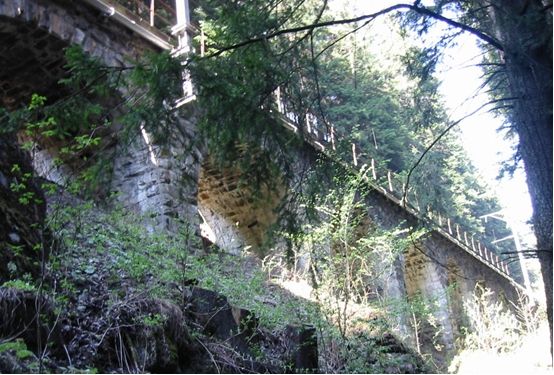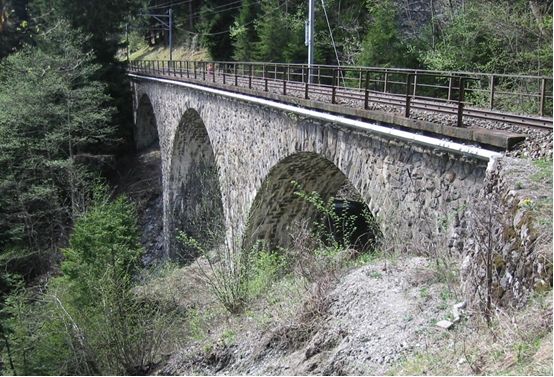
The Albula Railway, one of Switzerland’s most renowned mountain railways, is famous not only for its breathtaking route through the Grisons Alps but also for its impressive bridges and viaducts, which are considered masterpieces of engineering. Since 2008, the line—together with the Bernina Railway—has been a UNESCO World Heritage site, a designation that honors its unique combination of technical innovation and harmonious integration into the alpine landscape.
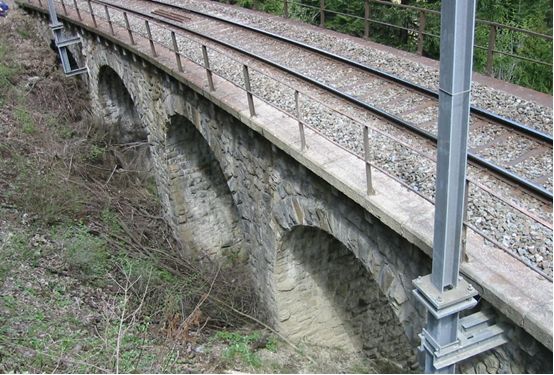
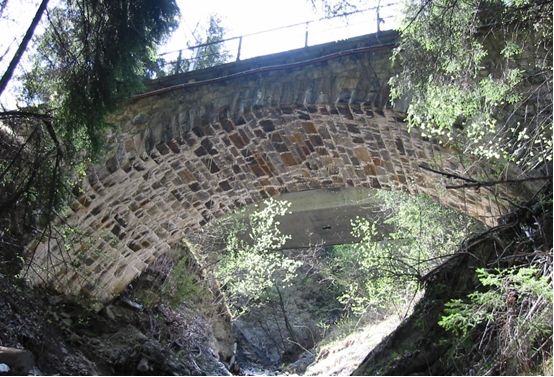
Built between 1898 and 1903 to connect Thusis with St. Moritz, the Albula Railway presented engineers with enormous challenges. The route had to traverse steep gradients, tight curves, and deep valleys, necessitating a series of spectacular bridges. A total of 121 arched bridges—85% of which are made of local masonry—define the line’s appearance and give it its distinctive character. With a combined length of around 3,500 meters, these structures are integrated into the surrounding mountain scenery both functionally and aesthetically. They were constructed exclusively as arch bridges—a design typical of mountain railways at the time and now considered a hallmark of the Albula Railway.
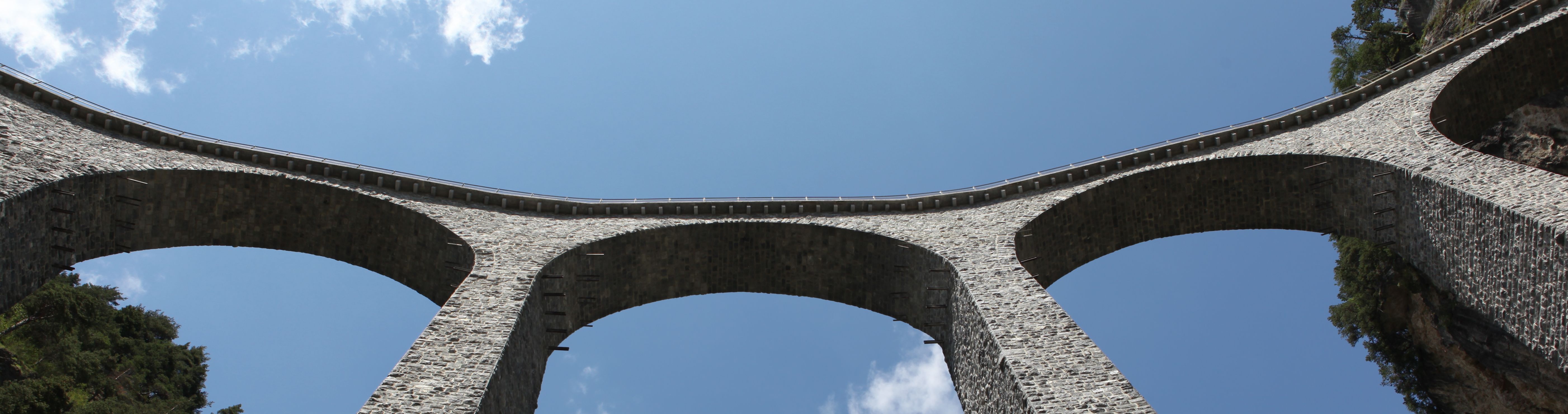
A particularly iconic structure is the Landwasser Viaduct, a stone arch bridge 142 meters long and 65 meters high that leads directly into the Landwasser Tunnel. This structure is not only an engineering marvel but also a symbol of the elegance with which the Albula Railway masters the natural terrain. Another highlight is the Solis Bridge, featuring two parallel arches with a span of 130 meters and a rise of 32 meters. Such structures were engineering sensations at the time and bear witness to the craftsmanship and precision of the builders. Originally designed for steam locomotives, the Albula Railway required particularly robust bridges to withstand the operational loads. The line was not electrified until 1919, a move that made operations more efficient and environmentally friendly. Despite this technical evolution, the bridges retained their original appearance, and their status as part of the UNESCO World Heritage underscores their historical and cultural significance.
The bridges of the Albula Railway are thus not merely indispensable components of the line but also testaments to an era when humanity and nature worked in harmony. Their preservation and inclusion in the UNESCO World Heritage list reflect the recognition accorded to this railway line as one of the most significant examples of alpine railway architecture.