The railway line in the Pegnitz Valley is not only a vital transport link in Northern Bavaria but also a structure of historical and technical significance. Its history dates back to the mid-19th century and is closely linked to the development of the German railway network.
The Beginnings: The Bavarian Eastern Railway and Opening Up the Pegnitz Valley
The line opened in 1859 as part of the Bavarian Eastern Railway (*Bayerische Ostbahn*). This was a private railway company tasked with better connecting Bavaria to the supra-regional railway network. The route ran from Nuremberg via Lauf, Hersbruck, and Pegnitz to Cheb (Eger) in Bohemia, thereby linking Northern Bavaria with the Bohemian railway network.
Why the Pegnitz Valley?
The Pegnitz Valley was already a key region for trade and industry in the 19th century. The railway was intended to serve the region's timber industry, quarries, and—later—its paper mills. Furthermore, the line provided a strategic link between Nuremberg and the Bohemian region, a connection that became increasingly important following the founding of the German Empire in 1871.
Technical Masterpieces: The Bridges of the Pegnitz Valley
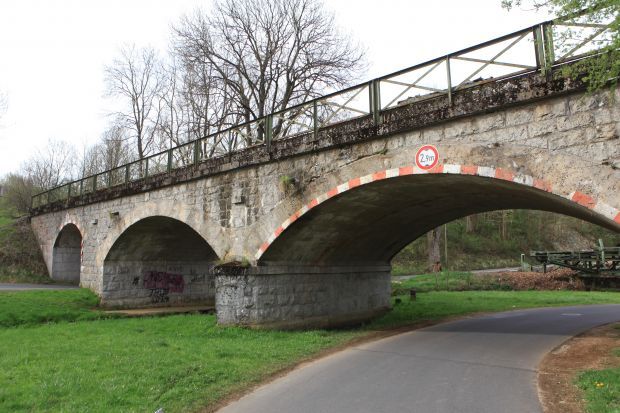
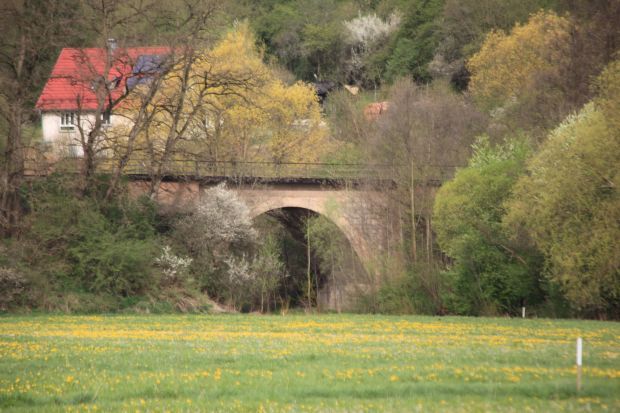
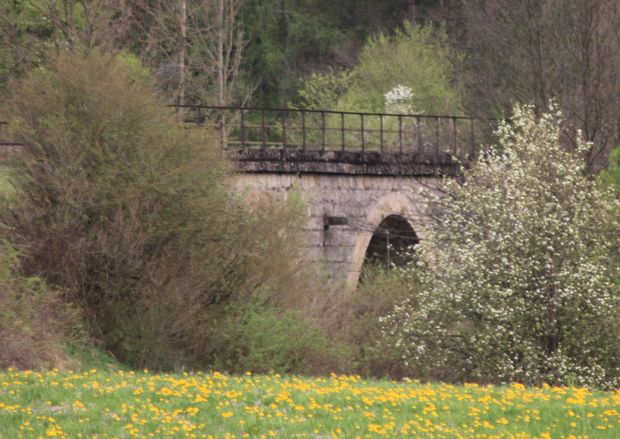
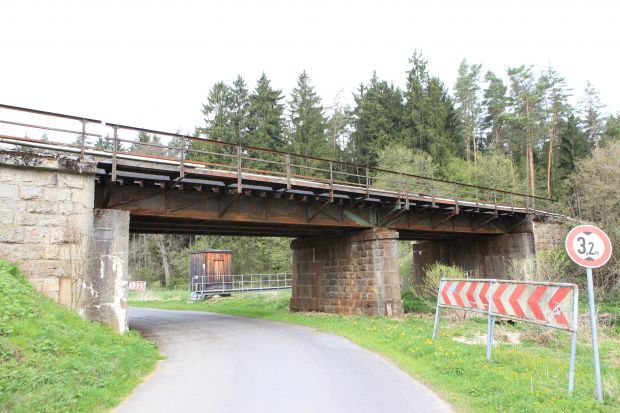
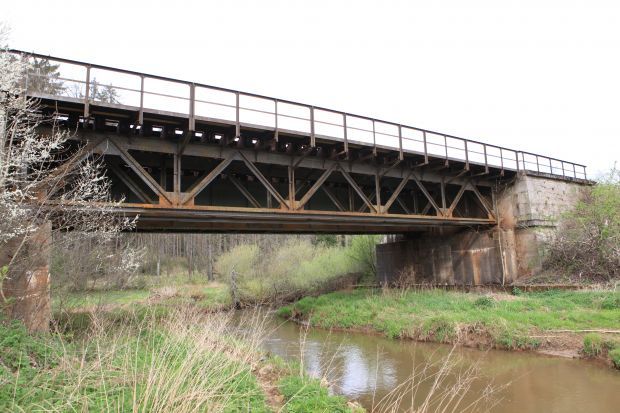
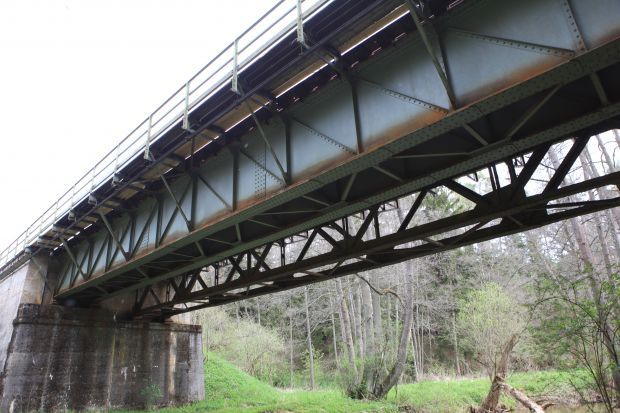
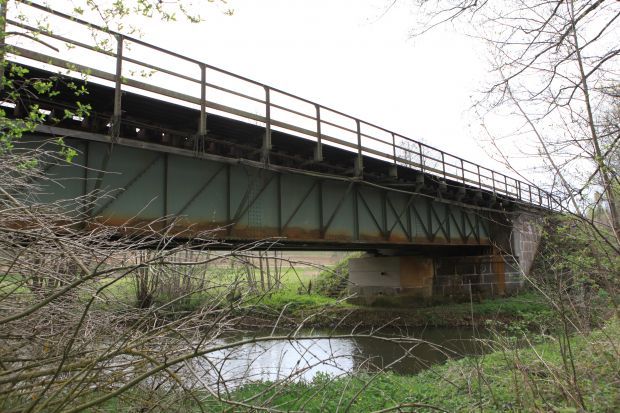
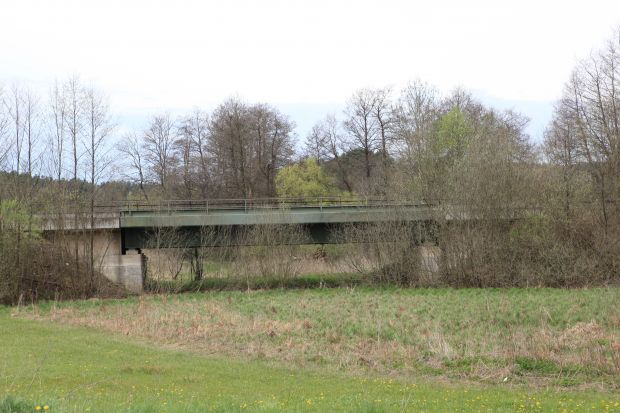
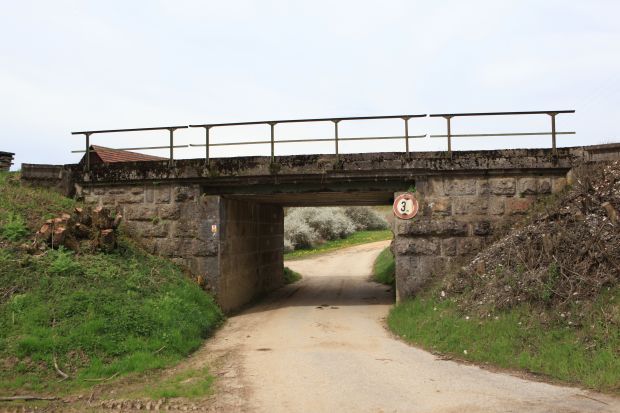
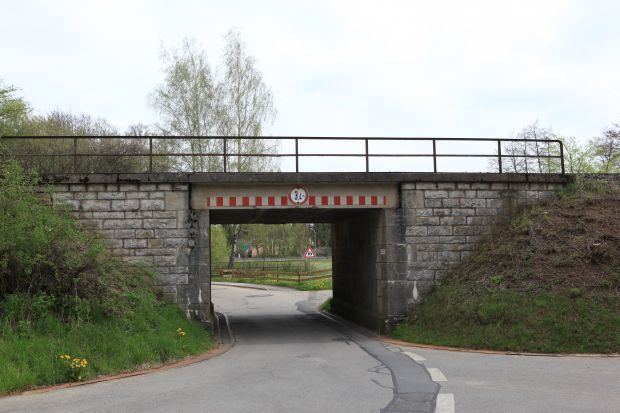
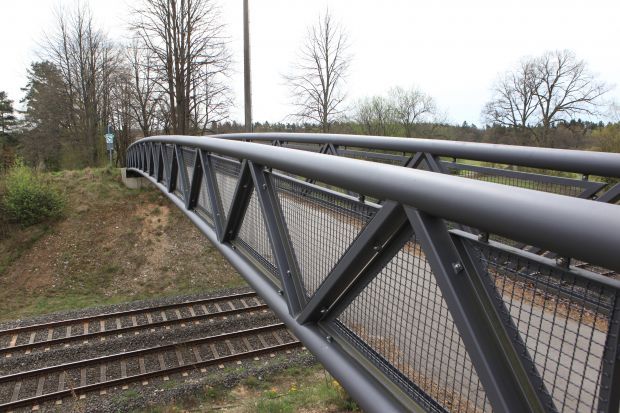
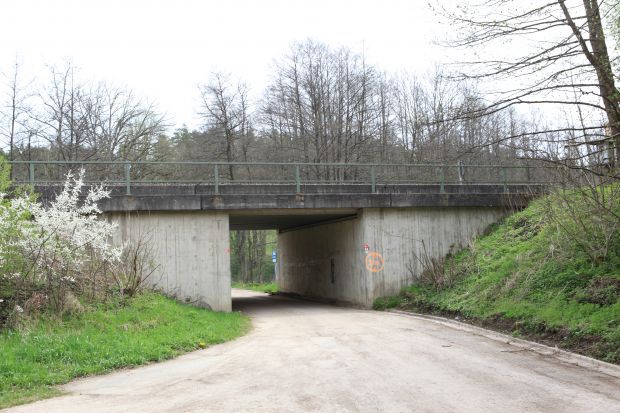
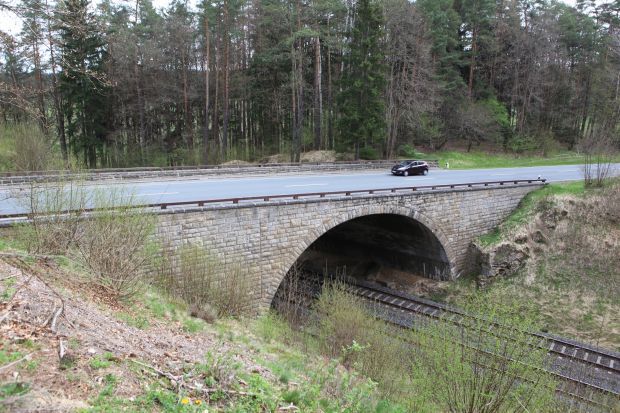
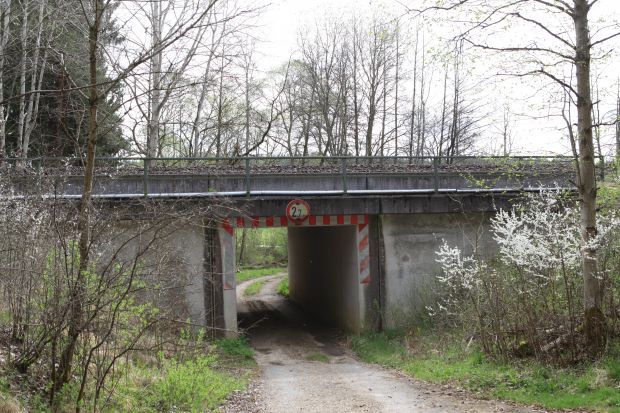
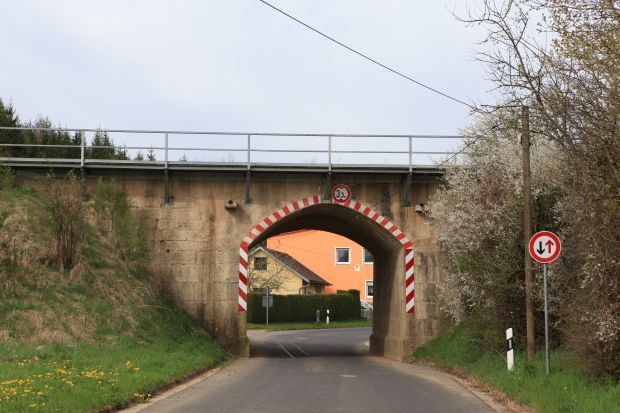
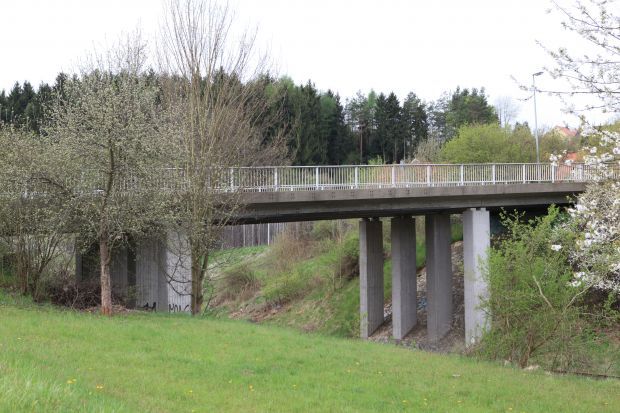
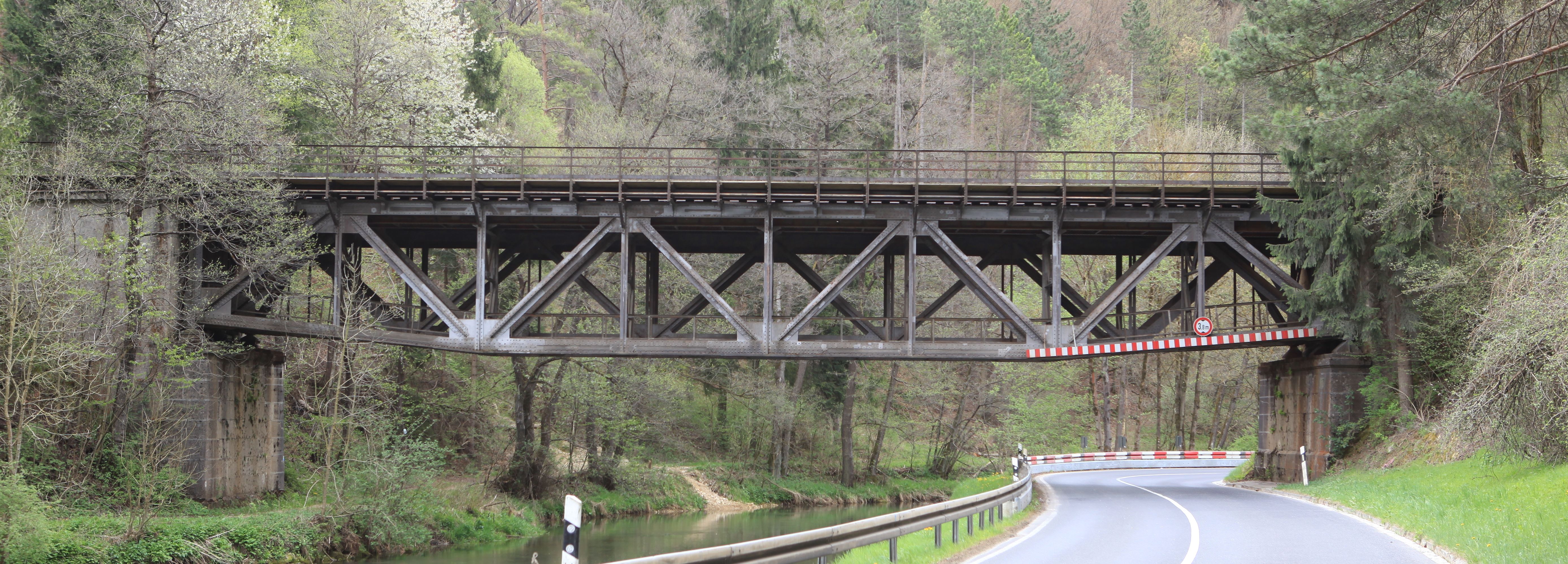
A distinctive feature of the line is the multitude of bridges spanning the Pegnitz Valley. Many of these structures date back to the early era of railway construction and entered service in 1877. They stand not only as technical masterpieces of their time but also as witnesses to the region's railway history.
Historic Bridges and Their Significance
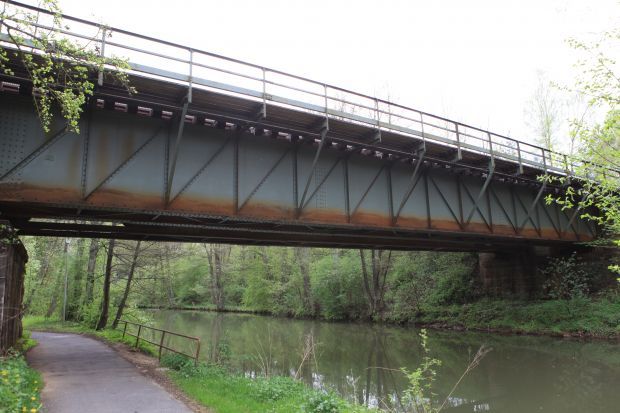
19th-Century Steel Bridges: Most of the bridges in the Upper Pegnitz Valley were constructed from steel and were state-of-the-art for their time. They made it possible to cross the narrow valley and establish a direct connection between Nuremberg and Cheb.
Heritage Protection: Many of these bridges are now listed monuments, making their renovation and modernization particularly complex. Deutsche Bahn has announced plans to renovate 23 heritage-listed railway bridges in the Pegnitz Valley to ensure the line's long-term safety and operational viability.
Notable Structures: Some bridges—such as the Pegnitz Bridge near Hersbruck—are remarkable not only for their engineering but also for their architecture. They reflect the technological progress and the pride of the engineers of that era.
The Line’s Role in World War II
During World War II, the line was of great strategic importance. It served not only for the transport of goods and troops but also became a target for air raids. After the war, the line had to be rebuilt and modernized to meet the rising demands of rail traffic.
Electrification and Technical Modernization
The line underwent gradual modernization throughout the 20th century. One of the most significant measures was electrification, which accelerated operations and increased the line's capacity. Additionally, numerous switches and signaling systems were renewed to keep pace with growing rail traffic demands.
Deteriorating Bridges and the 2025 Total Closure
Despite various modernization efforts, the line was increasingly burdened in recent decades by deteriorating bridges. Most of these structures were over 100 years old and no longer met modern safety standards. In September 2025, Deutsche Bahn ordered a total closure of the line after acute safety concerns were identified regarding several bridges.
Consequences of the Closure
Chaos in Replacement Services: The closure led to massive disruptions in rail traffic. Thousands of commuters and tourists were affected, and the bus replacement services were often overwhelmed.
Economic Impact: The total closure also had economic repercussions for the region, as many businesses rely on the connection to the rail network.
Renovation planning: Deutsche Bahn has announced plans to replace the bridges by 2030 or 2032. The project represents one of the biggest challenges for the railway in Northern Bavaria.