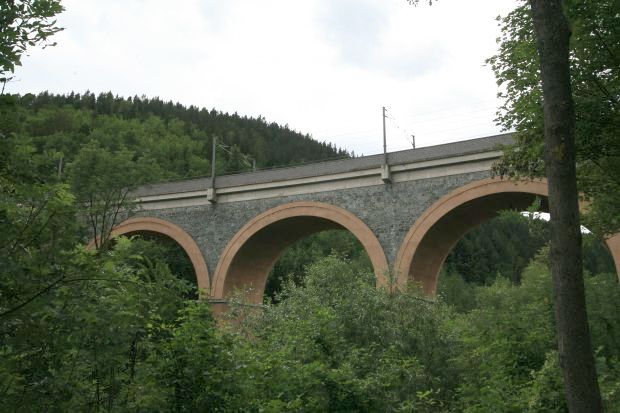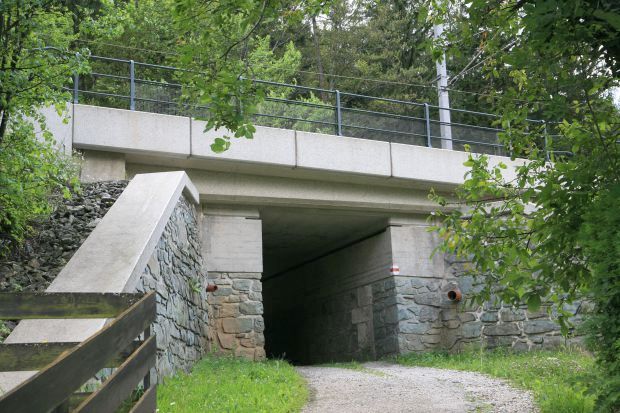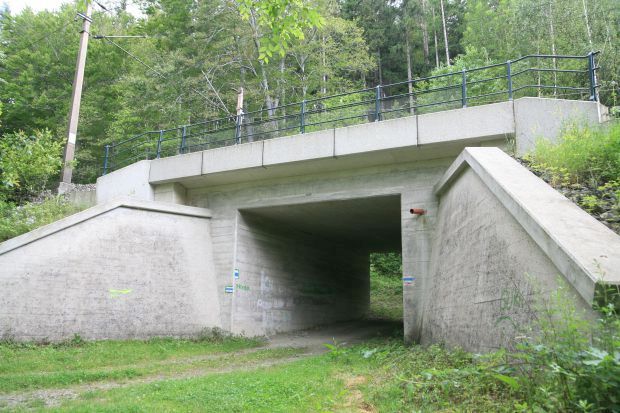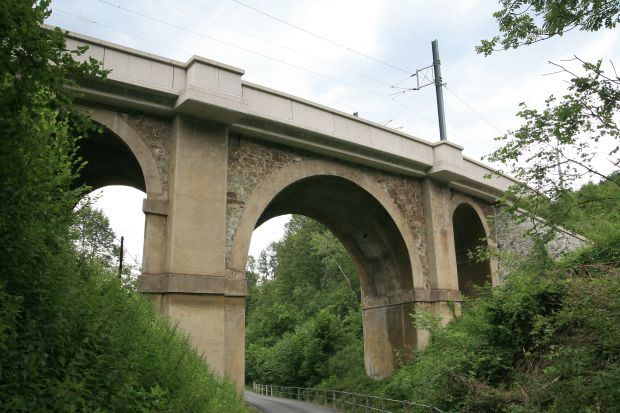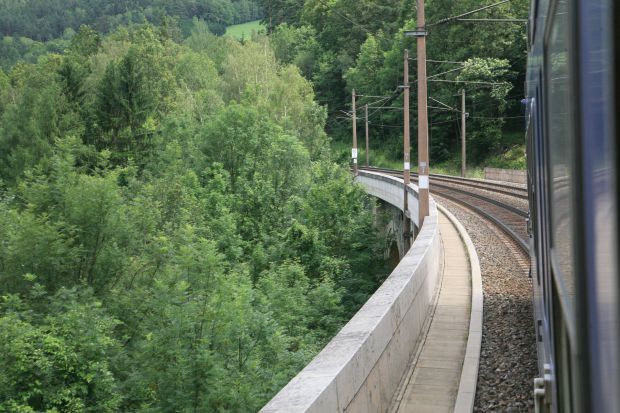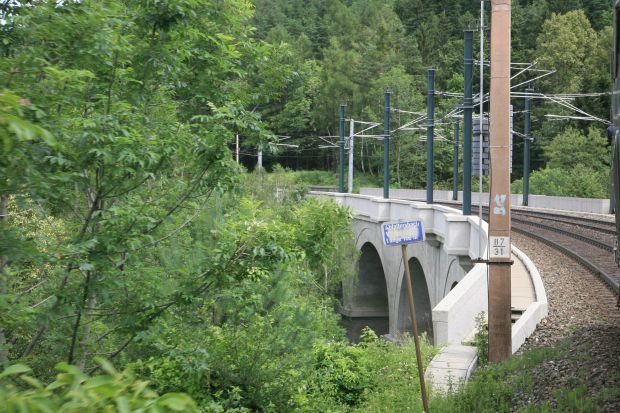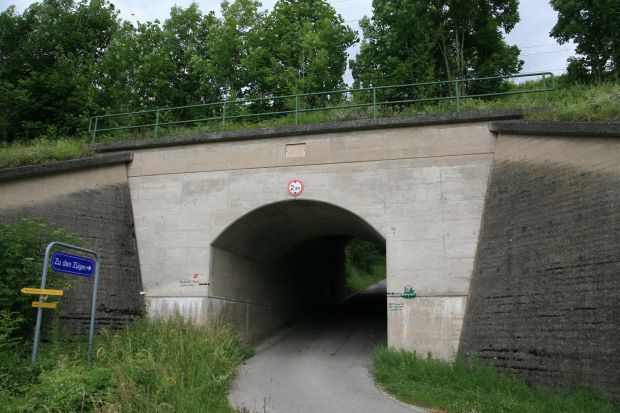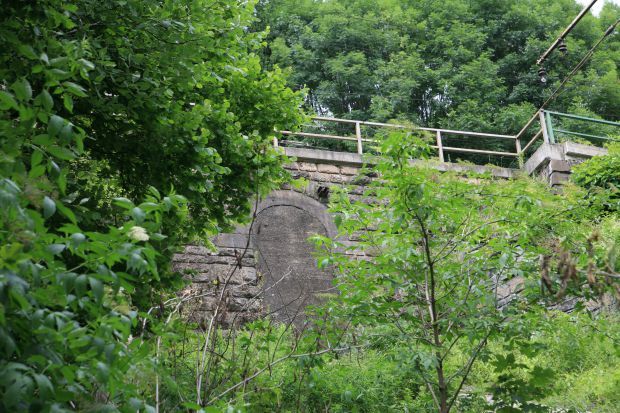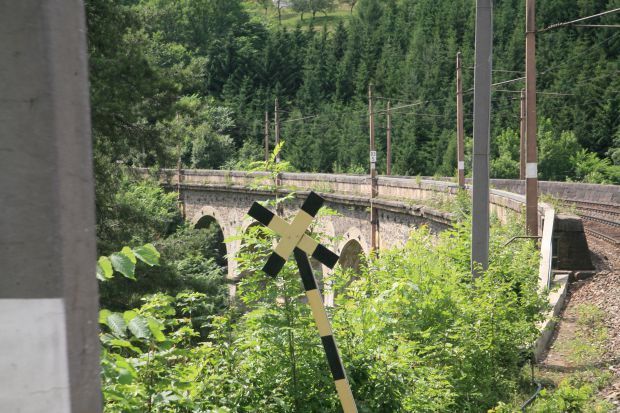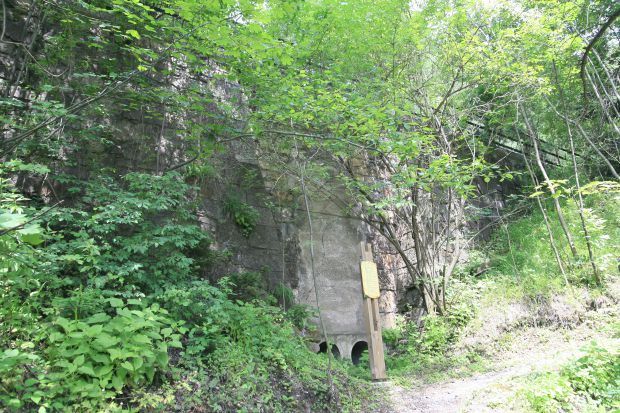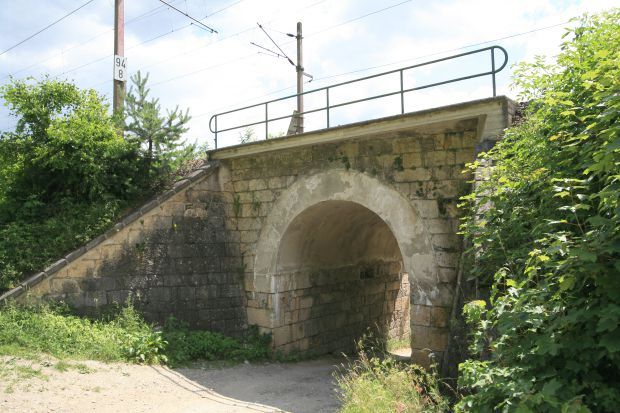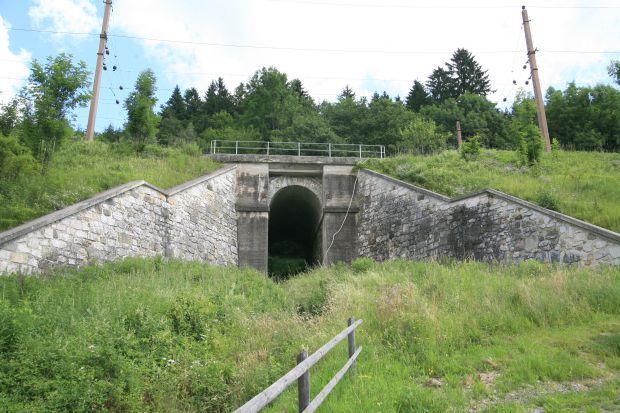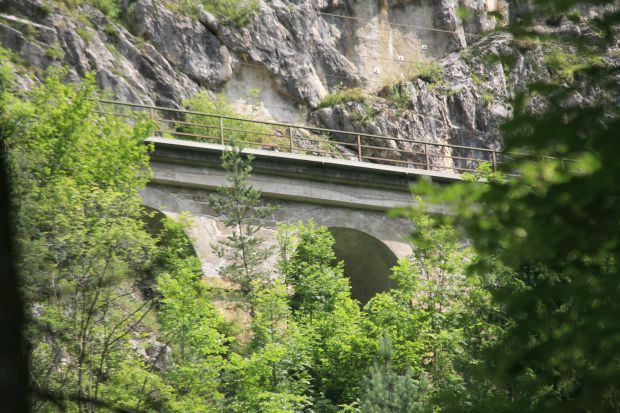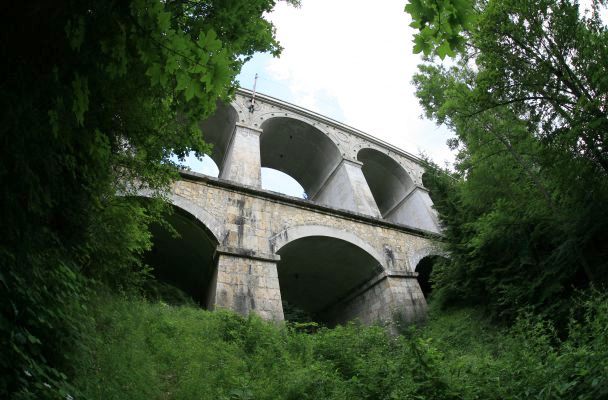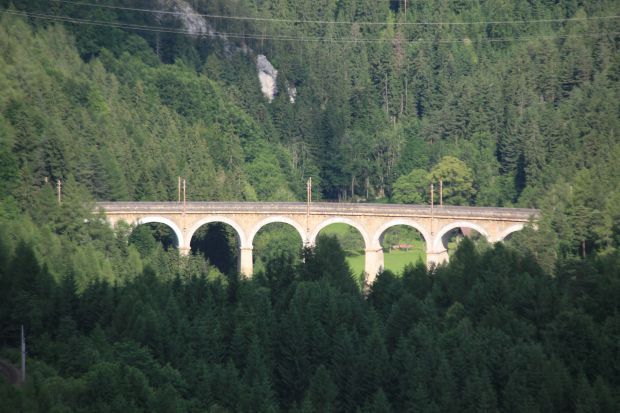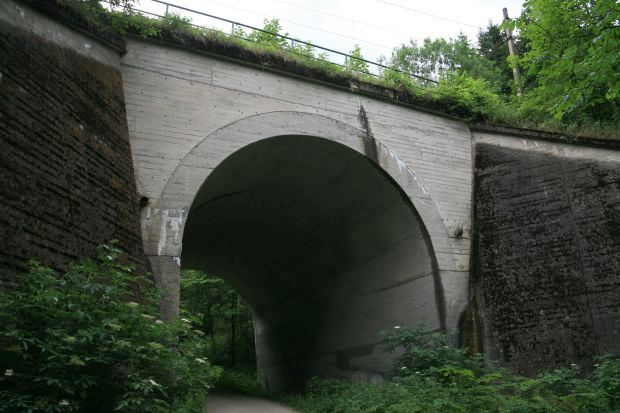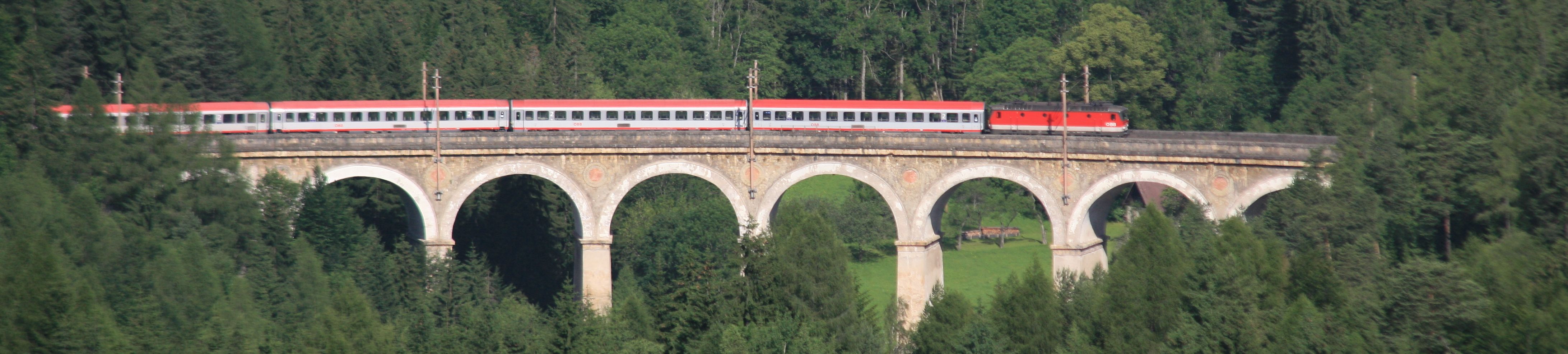
The Semmering Railway is not only a 19th-century engineering masterpiece but also a symbol of progress and the union of nature and engineering. Its history began with a vision: the construction of a standard-gauge mountain railway across the Semmering Pass—a project that presented the Austro-Hungarian Monarchy with immense challenges.
Constructed between 1848 and 1854 under the direction of the brilliant engineer Carl Ritter von Ghega, the Semmering Railway remains one of the greatest engineering feats in the history of railway construction. Ghega set new standards by not only planning the route but also developing locomotives specifically suited to the challenging topography. Spanning approximately 41 kilometers, the railway overcomes an elevation difference of around 460 meters, traversing a breathtaking landscape that had previously been considered inaccessible. Where wilderness and rugged terrain once prevailed, one of the world's first high-mountain railways emerged—a technical sensation that amazed both Europe and the world.
Following its opening in 1854, the Semmering Railway quickly became a symbol of technological and economic progress. It not only connected the regions of Lower Austria and Styria but also enabled Vienna’s wealthy elite to enjoy summer retreats in the mountains. The railway became a source of inspiration for artists, writers, and travelers who admired both the unique landscape and the engineering marvel itself.
More than a century later, in 1998, the Semmering Railway became the first railway line in the world to be inscribed on the UNESCO World Heritage List. This distinction recognized not only the structure's historical significance but also the harmonious integration of the railway into the surrounding alpine landscape. The core zone covers 156 hectares, while the surrounding buffer zone—spanning 8,581 hectares—protects this unique cultural landscape. UNESCO justified the inclusion by stating that the Semmering Railway is an outstanding example of the 19th-century symbiosis between technology and landscape.