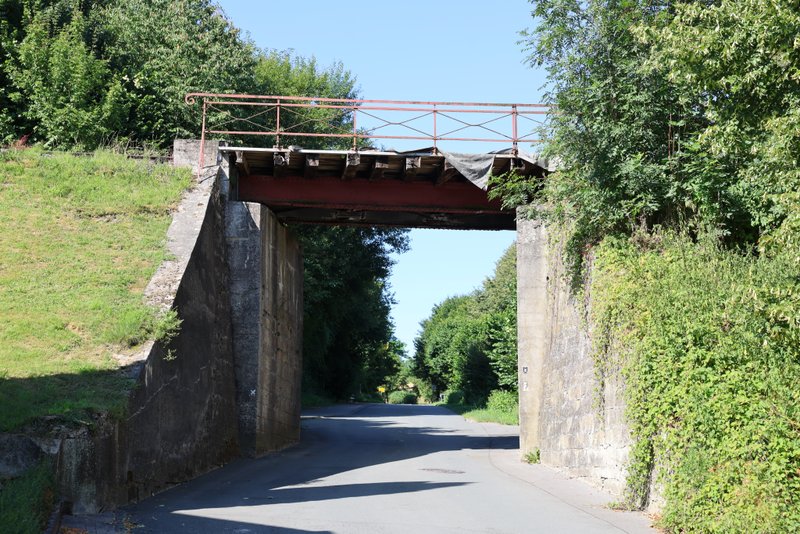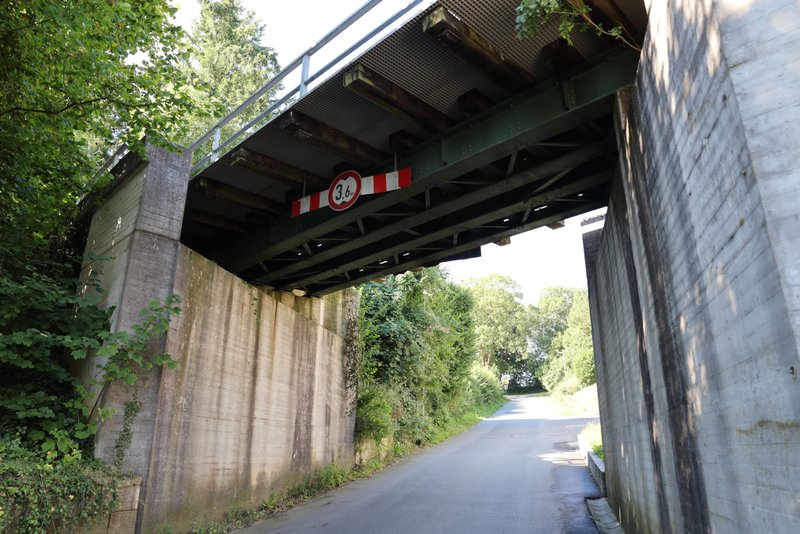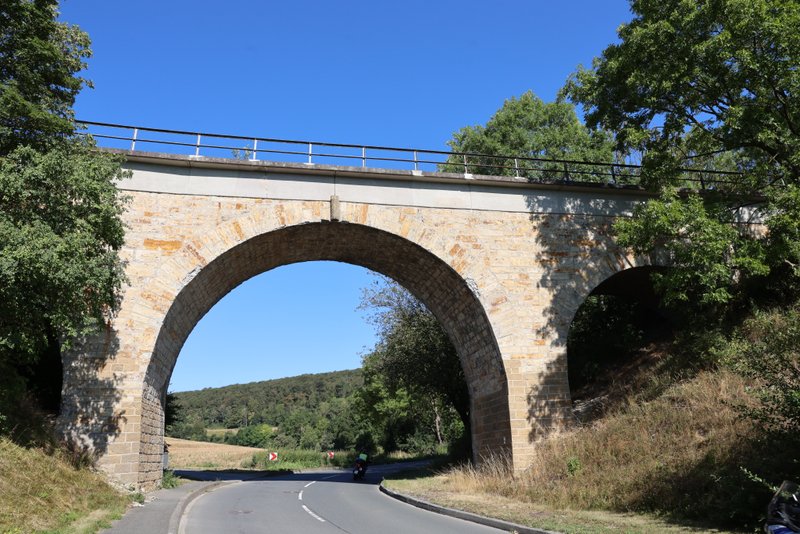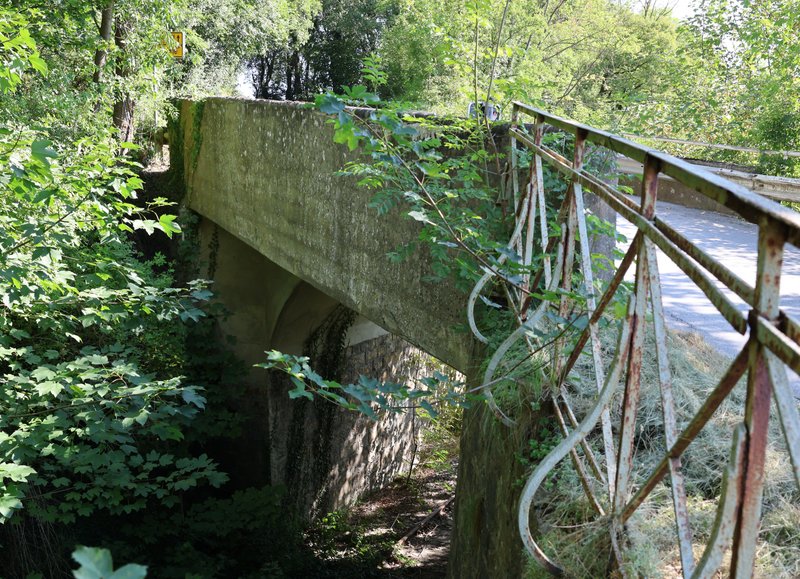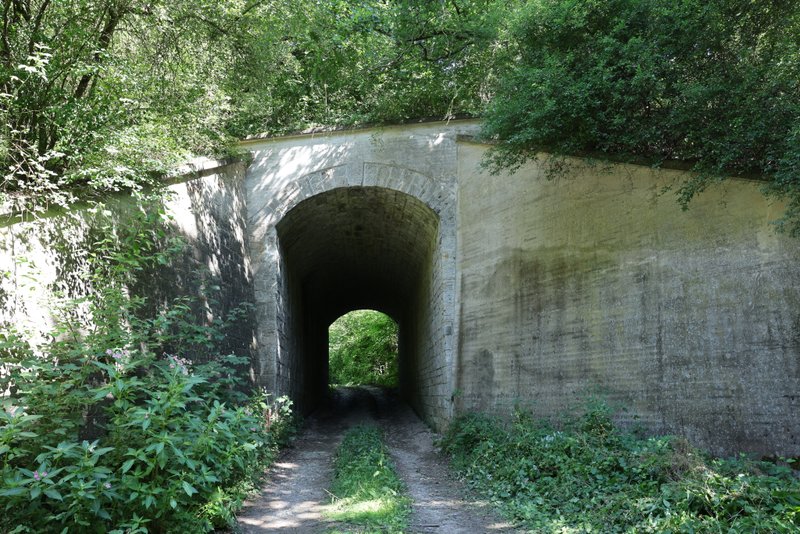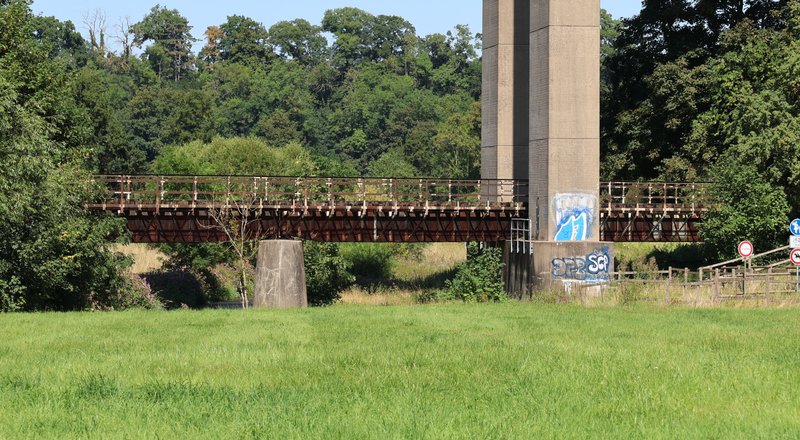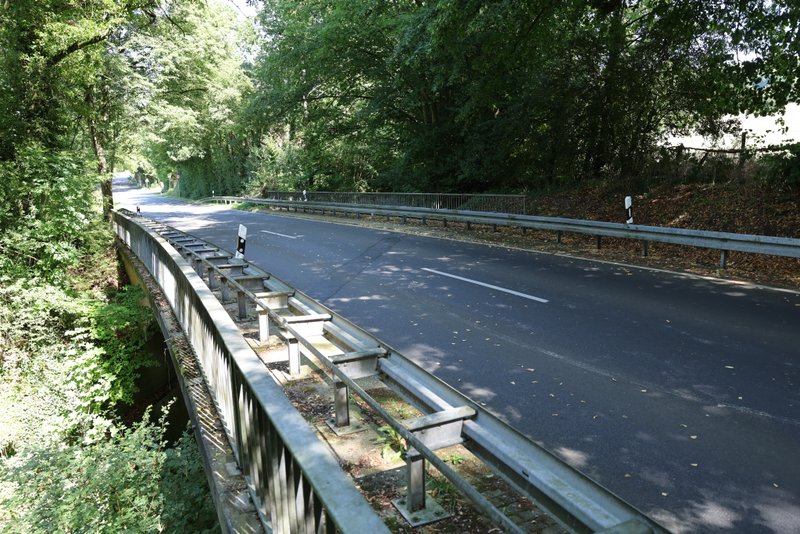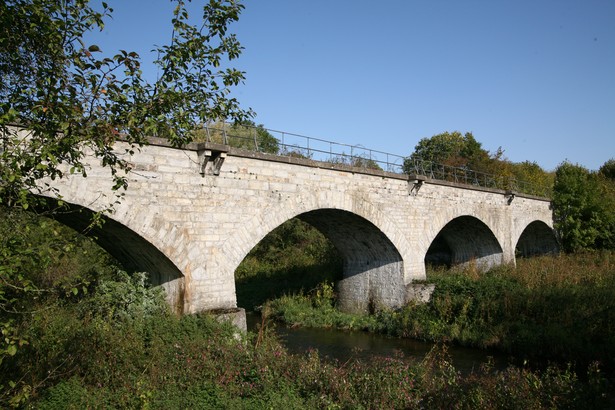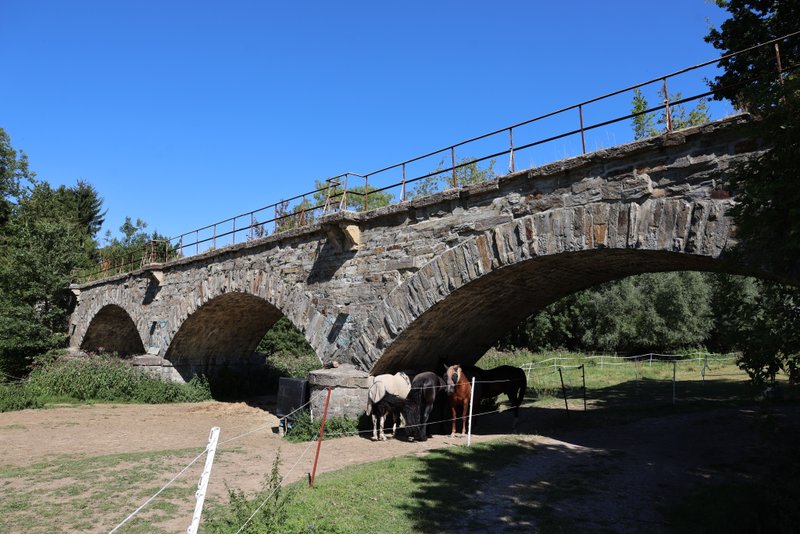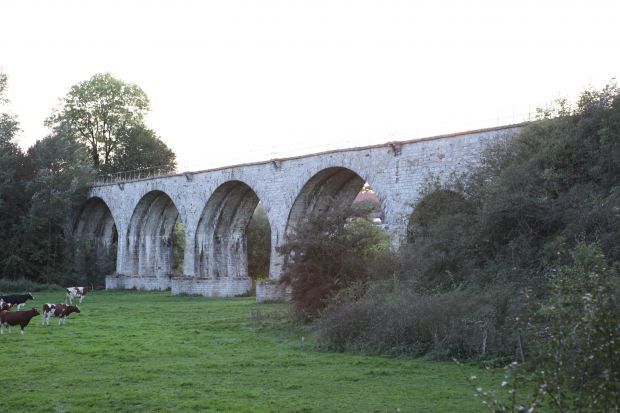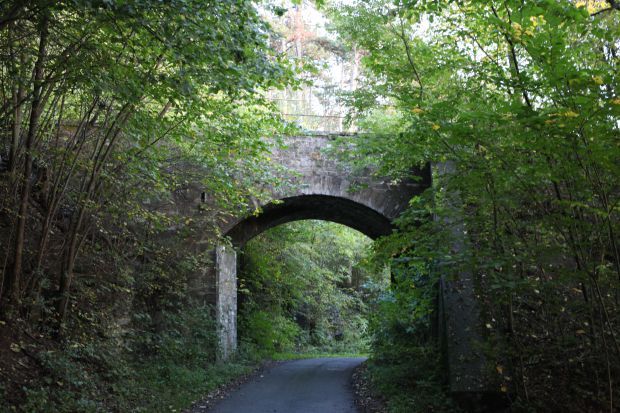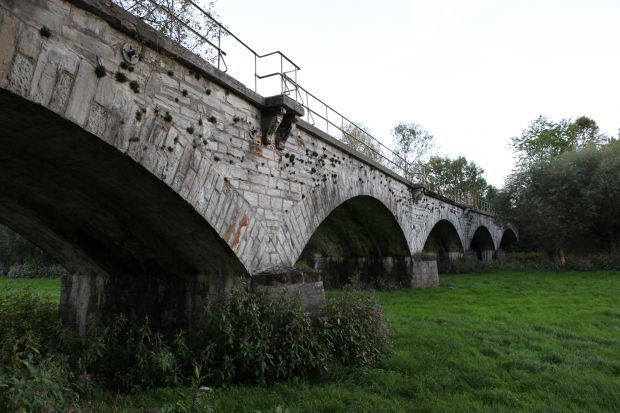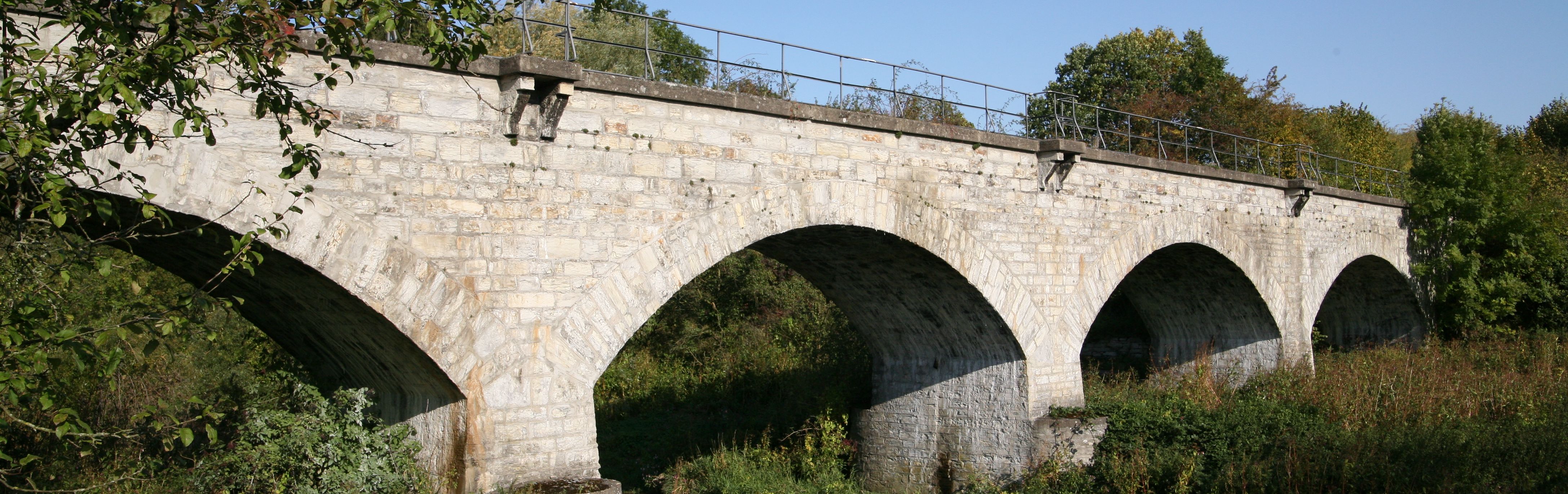
The Almetal Railway (*Almetalbahn*) between Paderborn and Brilon was one of the most significant secondary railway lines in East Westphalia and the Hochsauerland region. Spanning over 60 kilometers, it connected the two cities and played a pivotal role in regional passenger and freight transport. The line was defined not only by its route through the picturesque Alme Valley but also by its numerous bridges and tunnels, which are considered engineering marvels of their time.
The Almetal Railway: A Line with a History
Origins and Significance
The Almetal Railway was planned and constructed in the late 19th century as part of the supra-regional railway network. It linked the Westphalian Railway (Hamm–Paderborn–Kassel) with the Upper Ruhr Valley Railway (*Obere Ruhrtalbahn*), thereby creating a direct connection between Paderborn and Brilon. The line opened in several stages; the 27-kilometer section from Paderborn to Büren was built between 1895 and 1898. The ceremonial opening for rail traffic took place on October 20, 1898. The extension to Brilon Wald entered service on April 1, 1901. The railway was of particular importance to the region's industry and agriculture, as well as to commuters and tourists traveling between the Sauerland and the Paderborn region.
The route ran through the valley of the Alme—the river that gave the railway its name. This topographical feature made the line's construction an engineering challenge: numerous bridges, tunnels, and cuttings were required to traverse the terrain and establish a stable route.
Operation and Closure
For decades, the Almetal Railway served as a vital transport artery for the region. However, passenger services between Büren and Brilon Wald were discontinued on September 19, 1974—just ten days before the line's official closure. Passenger services between Paderborn and Büren continued until May 31, 1981, while the last freight shipments were loaded on December 29, 1995. After five years of inactivity, the Westfälische Almetalbahn took over the line on March 14, 2001. The route was permanently closed in 2006 and subsequently largely dismantled; however, the bridges and tunnels were preserved as technical monuments.
The Future of the Almetalbahn: Reactivation as an Opportunity for the Region
In recent years, there have been recurring discussions regarding the reactivation of the Almetalbahn. A 2024 feasibility study yielded positive results, proposing a phased
reopening by 2040. Reactivation would offer several benefits:
Improved transport connectivity: A rail link between Paderborn and Brilon would significantly boost regional mobility and reduce reliance on private vehicle travel.
Strengthening sustainable transport: The railway would serve as an eco-friendly alternative to cars and buses, improving the region's carbon footprint.
Economic stimulus: A reactivated line could attract new investment to the area and enhance its appeal to tourists.
Preservation of bridges as technical heritage: The Almetal Bridge and other structures along the route would not only be preserved as historical monuments but also utilized as active infrastructure.
The debate surrounding reactivation highlights the importance of the Almetalbahn and its bridges to regional identity and development. It would represent not merely a transport project, but also a symbol of the region's progress and commitment to sustainability.